
Understanding Botanical Compounds for Joint Flexibility and Musculoskeletal Well-being
A comprehensive educational resource exploring the science and traditional knowledge of natural compounds, botanical extracts, and dietary elements that support overall musculoskeletal health and active lifestyle.
Educational content only. No promises of outcomes.
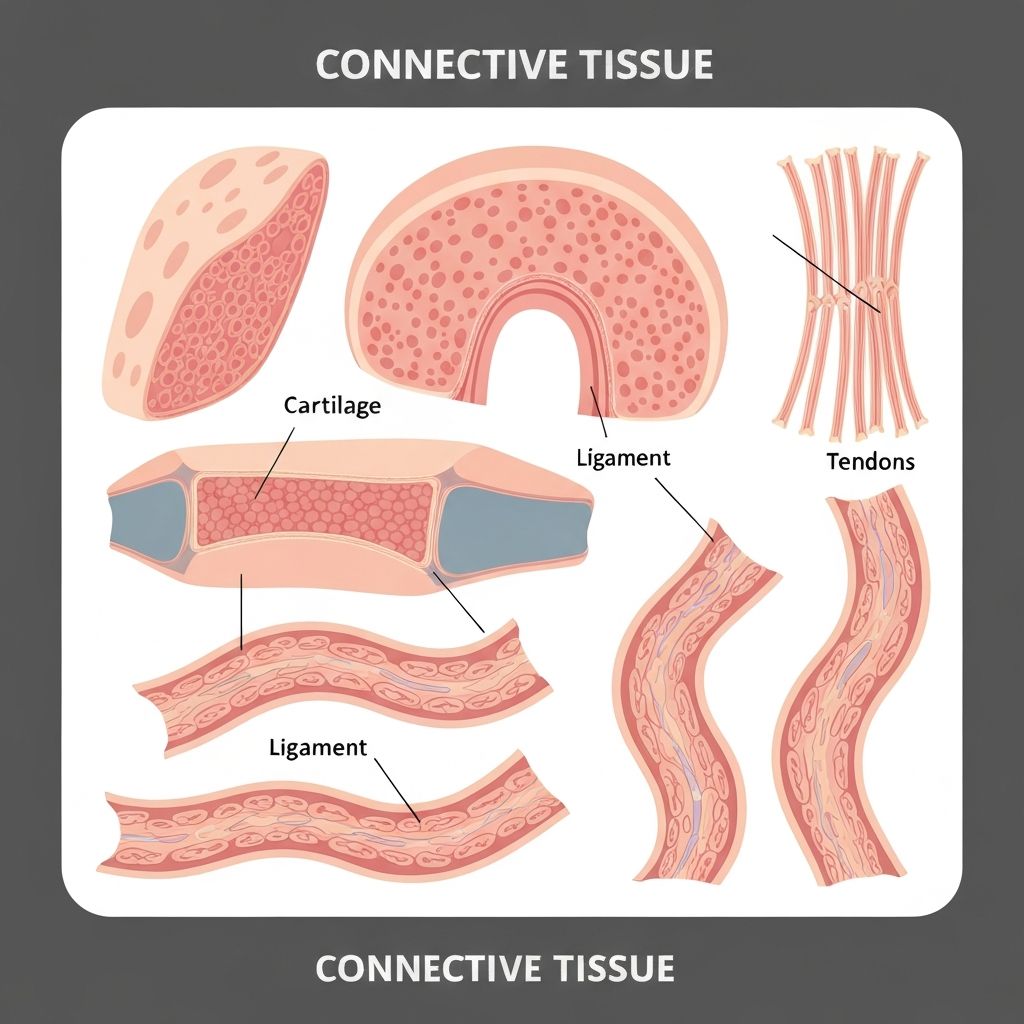
The Role of Connective Tissues in Movement
Connective tissues form the structural foundation of our musculoskeletal system, enabling movement, providing stability, and maintaining the integrity of our bodies. Understanding these tissues is essential to comprehending how our bodies function and move.
Types of Connective Tissues
- Cartilage: A flexible tissue that covers joint surfaces, reducing friction and absorbing impact during movement.
- Ligaments: Fibrous structures connecting bone to bone, providing stability to joints.
- Tendons: Tough tissues that attach muscles to bones, transmitting force and enabling controlled movement.
These tissues work in concert to allow our bodies to move fluidly and maintain structural integrity throughout our lives.
Exploring Joint Mobility and Its Mechanisms
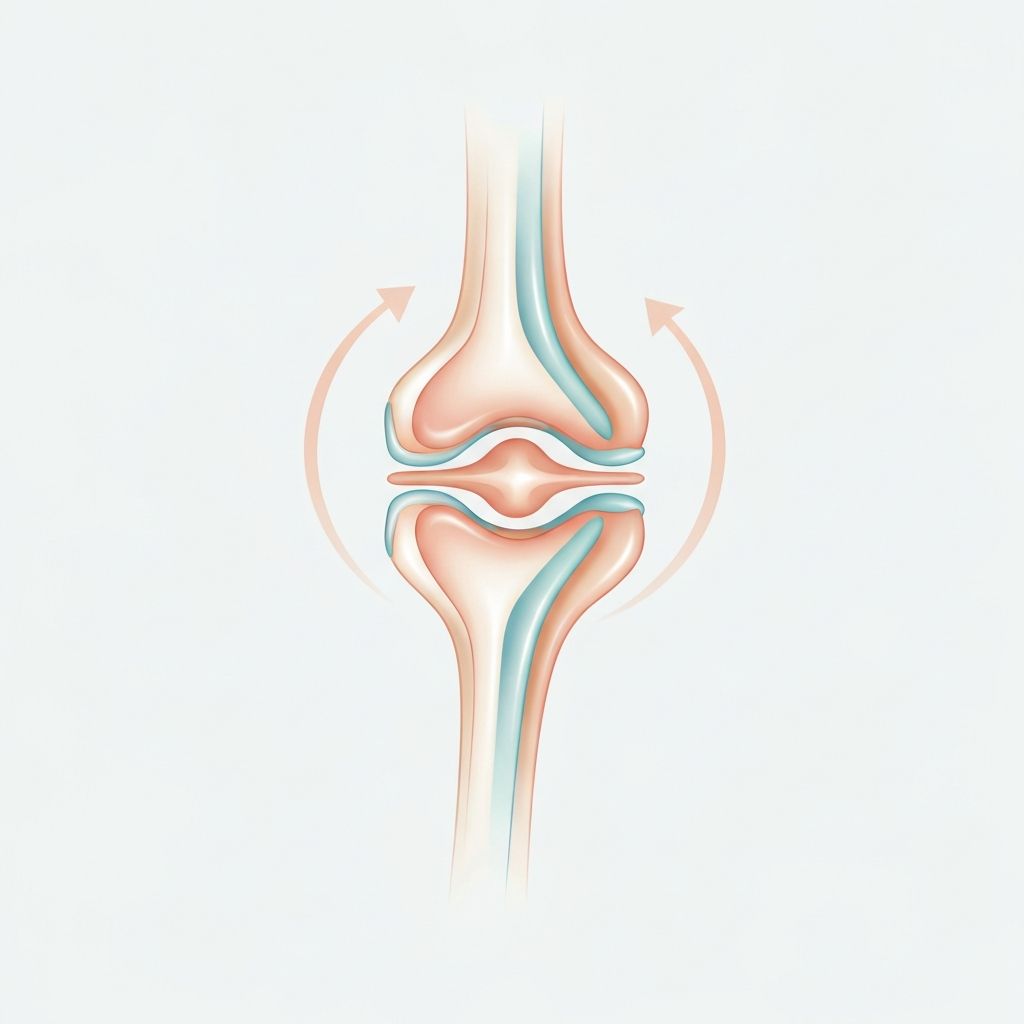
Joint mobility refers to the range of motion available at a particular joint. This capability depends on several interconnected factors, including the shape of the bones, the elasticity of the surrounding tissues, and the health of synovial fluid.
Key Elements of Joint Mobility
Synovial Fluid: This fluid fills the joint capsule, acting as a lubricant and shock absorber. It facilitates smooth movement and provides nutrients to cartilage and other joint structures.
Joint Structure: Different joints have different shapes and movement patterns. Hinge joints, ball-and-socket joints, and pivot joints each offer unique ranges of motion and stability characteristics.
Supporting Muscles: Muscles surrounding joints provide both movement and stability, working alongside connective tissues to coordinate complex movements.
Key Botanical Compounds for Musculoskeletal Support
Throughout history and across cultures, certain botanical compounds have been studied for their potential roles in supporting musculoskeletal health and general wellness. The following compounds represent areas of scientific and traditional interest.
Turmeric Extract
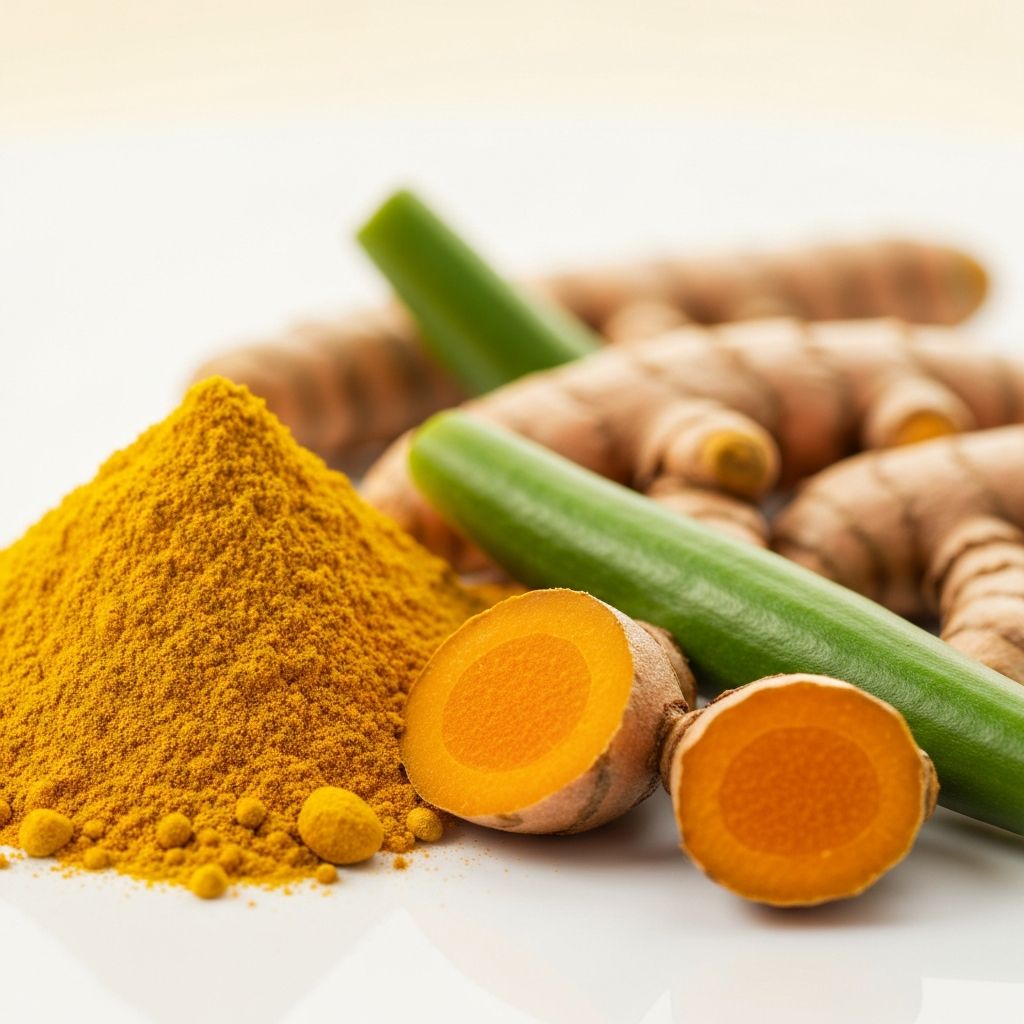
Derived from the rhizome of Curcuma longa, turmeric contains curcuminoids, compounds studied for their general physiological properties. Traditional use spans centuries across Asian cultures.

Ginger Root Extract
Ginger has been employed in traditional medicine practices worldwide for supporting general wellness. Modern research explores how gingerols and other active constituents interact with bodily processes.
Boswellia Serrata Resin
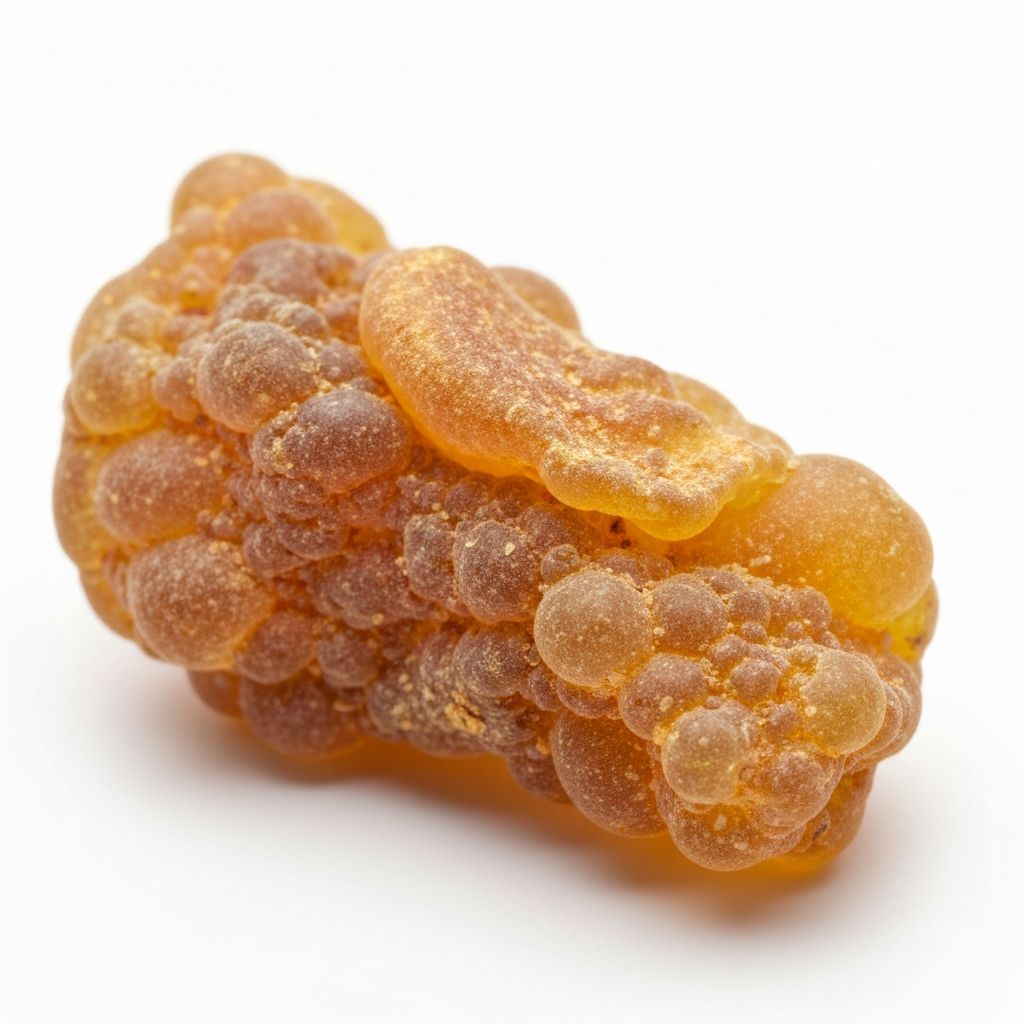
The resin from Boswellia trees contains boswellic acids, studied for their role in supporting natural physiological processes related to comfort and mobility in traditional Ayurvedic practice.
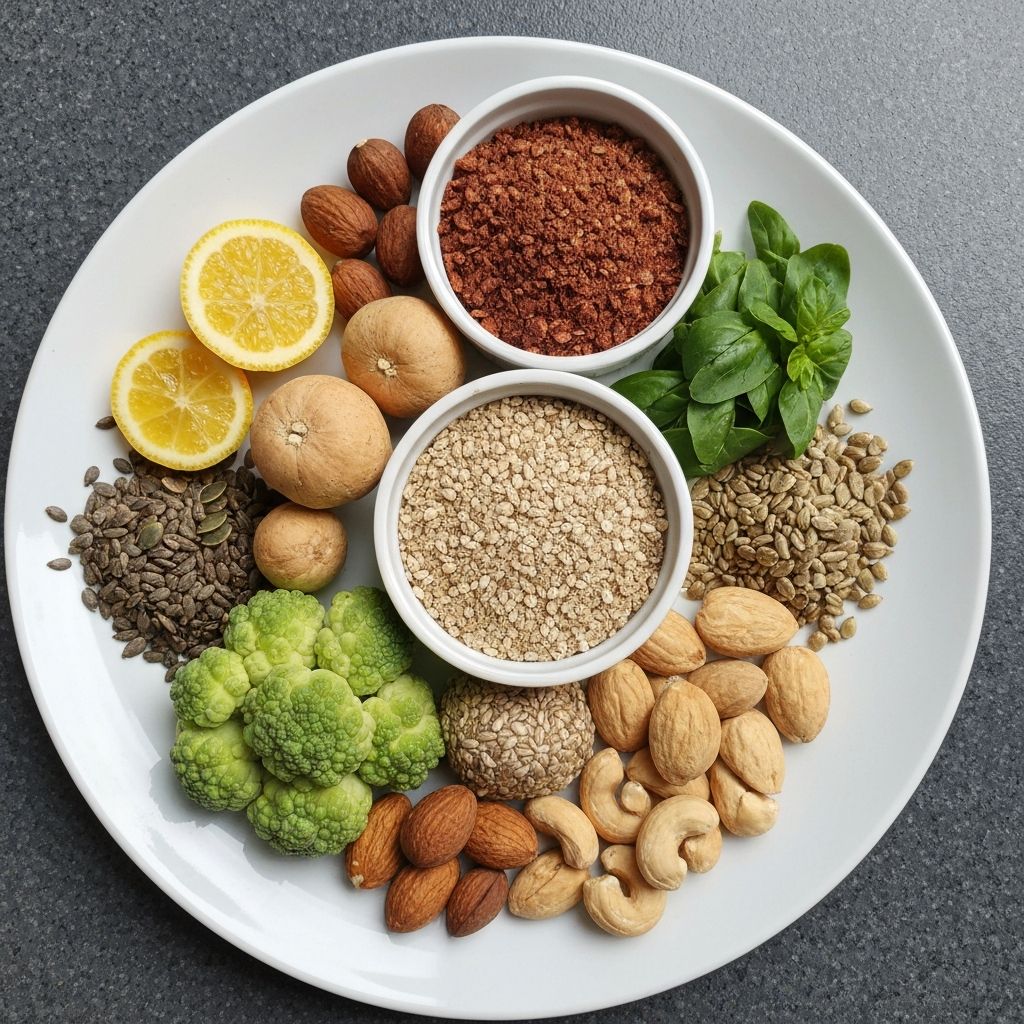
Dietary Elements Essential for Bone Health
Bone health extends beyond structure alone. A variety of nutrients play crucial roles in maintaining bone density, strength, and overall musculoskeletal function. These elements work synergistically to support the body's natural maintenance and regeneration processes.
Key Minerals
- Calcium: The primary mineral component of bone, essential for structural integrity and nerve transmission.
- Magnesium: Supports calcium absorption and is integral to bone mineral formation and overall cellular function.
- Phosphorus: Works with calcium to form the mineral matrix of bones and teeth.
Essential Vitamins
- Vitamin D: Regulates calcium absorption in the digestive tract and supports bone health and immune function.
- Vitamin K: Plays a role in bone mineralization and may contribute to bone density maintenance.
- Vitamin C: Essential for collagen synthesis, which is crucial for connective tissue integrity.
The Science Behind Natural Extracts and Body Processes
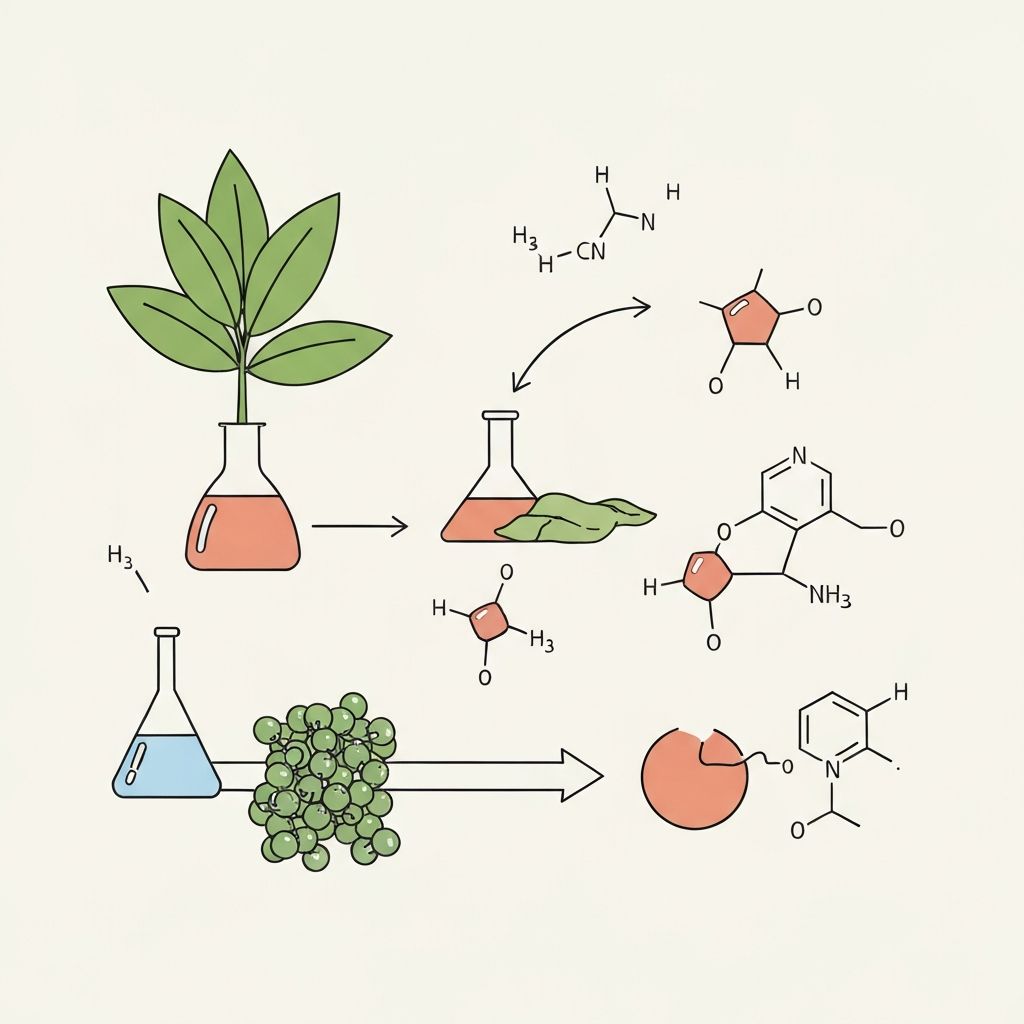
Natural extracts are derived from plants through various methods designed to concentrate their active constituents. Understanding how these compounds interact with the body's physiological systems provides context for their traditional and current applications.
Extraction and Bioavailability
Modern extraction techniques concentrate beneficial compounds from plant materials. Once consumed, these compounds enter the digestive system where absorption occurs. The body recognizes and processes these constituents through established physiological pathways.
Systemic Interaction
Natural compounds interact with the body's cellular systems, enzymes, and cellular receptors. Research continues to elucidate the specific mechanisms by which botanical extracts support various physiological processes without making direct medical claims.
Maintaining an Active Lifestyle for Joint Well-being
An active lifestyle contributes significantly to maintaining joint flexibility and overall musculoskeletal health. Regular, moderate physical activity supports cardiovascular health, muscle strength, and the maintenance of healthy body composition.
Benefits of Regular Movement
- Maintains and improves joint mobility and flexibility through regular use and conditioning.
- Strengthens supporting muscles, which provide stability and protection to joints.
- Promotes cardiovascular health and overall systemic wellness.
- Supports healthy body weight, reducing stress on weight-bearing joints.
General Activity Principles
Most health organizations recommend consistent, moderate physical activity as part of a healthy lifestyle. Activities such as walking, swimming, cycling, and yoga can be adapted to individual fitness levels and preferences.
The key is consistency and listening to one's body. Starting gradually and progressing at an individual pace helps build strength and endurance while minimizing injury risk.
Common Misconceptions About Dietary Supplements
The dietary supplement industry is rife with claims and marketing messages that can obscure the actual scientific understanding. Clarifying common misconceptions helps foster informed decision-making.
Misconception vs. Reality
Misconception: "All-natural means safe and effective."
Reality: Natural compounds vary widely in their effects. Safety and efficacy must be evaluated individually through scientific research and appropriate dosing.
Misconception: "More is better."
Reality: Optimal amounts are determined through research; excessive consumption does not necessarily enhance benefits and may have unintended consequences.
Making Informed Choices
When considering any dietary supplement, it is important to consult reliable sources of information, speak with qualified healthcare professionals, and understand that individual responses to supplements vary based on genetics, health status, and lifestyle factors.
Education and critical thinking are essential tools for navigating the complex landscape of dietary supplements and wellness information.
Understanding the Regulatory Context of Dietary Aids
The regulatory environment for dietary supplements varies globally and continues to evolve. Different regions employ different frameworks to classify, regulate, and oversee dietary products. Understanding these regulations provides context for the claims and information presented about dietary supplements.
Global Regulatory Perspectives
In many countries, dietary supplements occupy a distinct regulatory category, separate from pharmaceuticals and food. This classification typically means that they undergo different approval processes and labeling requirements than drugs.
The primary responsibility for ensuring product safety and quality often rests with manufacturers, though regulatory agencies provide oversight and can intervene if safety concerns arise.
Consumer Protections
Despite varying regulatory frameworks, many regions have implemented consumer protection standards that address product quality, labeling accuracy, and truthfulness in marketing claims.
Being aware of the regulatory status of dietary products in your region helps contextualize the information presented and supports informed consumer choices.
Global Traditions in Musculoskeletal Care
For thousands of years, diverse cultures have developed knowledge systems and practices focused on supporting joint comfort, flexibility, and musculoskeletal well-being. These traditions represent valuable historical perspectives on wellness and the use of natural compounds.
Ayurvedic Perspectives
In traditional Ayurvedic medicine from India, musculoskeletal health is understood through the lens of balance and constitution. Specific herbs, oils, and practices have been developed and refined over centuries to support joint mobility and comfort.
Traditional Chinese Medicine
Chinese traditional medicine views the musculoskeletal system through concepts of Qi (vital energy) and meridian pathways. Herbs, acupuncture, and movement practices like Tai Chi are employed to support circulation and joint health.
Indigenous Practices
Indigenous cultures worldwide have identified and used local plants to support physical well-being and mobility. These practices, often integrated into lifestyle and ritual, represent valuable repositories of botanical knowledge.
European Herbalism
European herbal traditions similarly identify plants believed to support joint health and comfort. Many compounds used in traditional European herbalism are now subjects of modern scientific investigation.
Future Trends in Wellness Support and Research
The field of natural compounds and dietary approaches to wellness is continually evolving. Emerging research areas and innovative applications suggest promising directions for understanding how botanical extracts and dietary elements support musculoskeletal health.
Research Innovations
Advanced analytical techniques allow scientists to identify and characterize the active compounds within botanical sources with greater precision. This molecular-level understanding opens new avenues for studying mechanisms of action and optimizing extraction methods.
Personalized nutrition approaches are gaining momentum, recognizing that individual genetics and health status influence how people respond to specific compounds.
Integration with Modern Science
There is growing interest in bridging traditional knowledge with modern scientific investigation. This integration seeks to validate traditional practices, understand their mechanisms, and potentially develop new applications.
Collaborative research involving multiple disciplines promises deeper insights into how natural compounds support an active, healthy musculoskeletal system and overall wellness.
Limitations and Context
This section serves as a crucial disclaimer, reinforcing the purely educational nature of our content. All materials provided on Nqula are for informational purposes only and do not constitute individual medical advice, diagnosis, or treatment recommendations.
Approaches to wellness vary widely among individuals, and the information presented here should not replace personal consultation with qualified healthcare professionals. Our content does not advocate for specific actions or influence user decisions regarding their health, but rather offers a broad context for understanding related topics.
Individual results vary based on genetics, health status, lifestyle, and many other factors. The information presented is general in nature and not tailored to individual health conditions or needs. Before incorporating any dietary supplement or making changes to your wellness routine, consult with a qualified healthcare professional.